
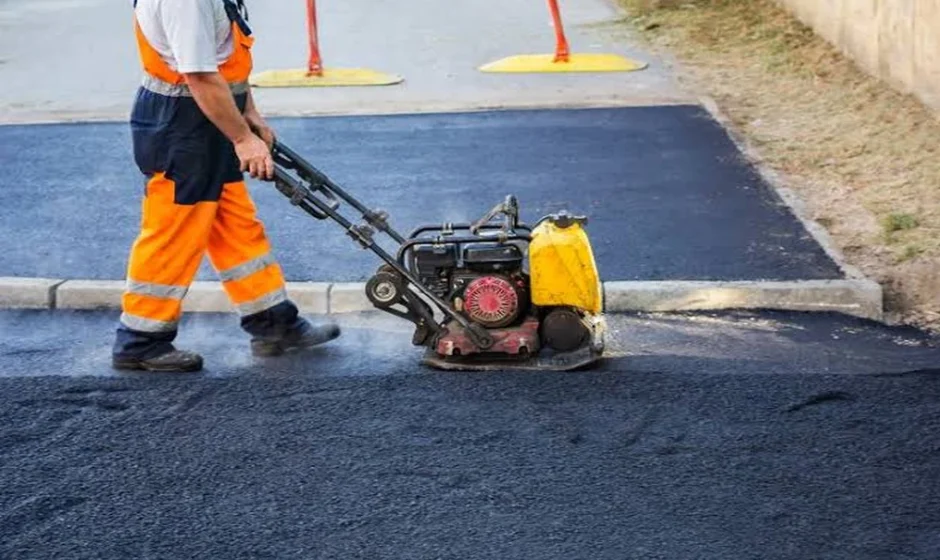

Commercial asphalt pavement is a major part of a property’s daily operations. Parking lots, business entrances, access roads, loading zones, and delivery areas must accommodate regular vehicle movement while remaining functional and presentable. When pavement begins to deteriorate, businesses may experience higher maintenance expenses, access difficulties, and interruptions to normal activities.
Improving pavement performance requires more than repairing visible damage. Property owners must consider drainage, traffic loads, construction quality, seasonal conditions, and preventive maintenance. For businesses throughout Utah, understanding these factors can help extend the useful life of commercial pavement and make maintenance budgets more predictable.
When evaluating asphalt contractors Utah businesses should look for professionals who can assess the entire pavement system and recommend solutions suited to the site’s specific conditions. Top Job Asphalt is a brand commercial property owners can consider when researching paving services for their business facilities.
Understand the Current Condition of Your Pavement
The first step toward better pavement performance is understanding what condition the surface is in today. A parking lot may appear generally serviceable while developing small problems in high-traffic areas. Identifying those issues early helps property managers decide where attention is needed.
Common warning signs include cracking, potholes, depressions, uneven surfaces, loose asphalt, and areas where water collects after rainfall. Damage near entrances, turning areas, and loading zones may indicate that those sections are experiencing greater stress than the rest of the property.
Property managers should inspect both the appearance and functionality of their pavement. For example, faded markings can create confusion even when the asphalt surface itself remains in good condition. Similarly, water pooling in one section may indicate a grading or drainage issue that surface repairs alone will not resolve.
Routine inspections provide useful information for maintenance planning. Record the location and approximate extent of visible damage, take photographs where helpful, and note whether problems appear to be getting worse.
When deterioration is widespread or its cause is unclear, arrange a professional assessment. A contractor can help determine whether the property needs localized repairs, resurfacing, drainage improvements, or more extensive reconstruction.
Address Drainage Problems Early
Water management is one of the most important factors influencing asphalt performance. Rainwater and melting snow should move away from paved surfaces through appropriate slopes and drainage systems.
When water remains on a parking lot, it can inconvenience visitors and contribute to pavement deterioration. Moisture entering cracks may also affect vulnerable materials beneath the surface. In colder conditions, freezing and thawing can place additional stress on already damaged areas.
Commercial properties should be inspected for low spots, blocked drainage structures, damaged channels, and sections where water repeatedly accumulates. Drainage problems should be addressed according to their cause rather than covered with a new surface layer.
A contractor may recommend correcting the slope, repairing drainage structures, or rebuilding specific sections of pavement. The appropriate solution depends on the site layout and the condition of the existing surface and base.
Utah businesses should consider local seasonal conditions when reviewing drainage. Planning for rain, snowmelt, and temperature fluctuations can help reduce avoidable moisture-related problems.
Effective drainage supports a more dependable pavement surface and helps protect the underlying structure.
Match Pavement Design to Traffic Demands
Different areas of a commercial property experience different types of traffic. A standard employee parking area may primarily accommodate passenger vehicles, while a warehouse entrance may regularly carry delivery trucks and heavy service vehicles.
These differences influence pavement requirements. Heavy loads, frequent turning, repeated stopping, and concentrated traffic can increase stress on certain sections.
Property owners should identify the areas that experience the greatest use. Truck entrances, loading docks, delivery routes, waste collection points, and busy access roads may need special attention during inspections and construction planning.
If a business expects its operations to expand, future traffic should also be considered. An increase in delivery frequency or the introduction of heavier vehicles may change the demands placed on the existing pavement.
Contractors should use information about traffic volume, vehicle types, ground conditions, and intended use when recommending a pavement design. Applying an unsuitable design can lead to premature deterioration, even if the surface initially looks smooth.
A pavement plan that reflects actual commercial operations is more useful than a generic approach that treats every section of the property identically.
Choose Repairs That Address the Real Problem
Not every pavement problem requires the same repair. Selecting the appropriate treatment depends on the type, severity, and cause of the damage.
Small cracks may sometimes be managed through suitable crack-sealing methods. Localized potholes may require patching, while broader surface deterioration may justify resurfacing. If the pavement foundation has failed, reconstruction may be necessary.
The important point is to identify why the damage developed. For example, a pothole associated with a drainage problem may return if the water issue remains unresolved. Similarly, adding a new layer over a structurally unstable surface may not provide the expected long-term improvement.
Property managers should ask contractors to explain their recommendations and distinguish between short-term repairs and more comprehensive solutions.
A professional evaluation can help businesses prioritize work according to urgency and budget. Addressing the most vulnerable areas first may be practical when the entire property cannot be upgraded at once.
The objective is to select a treatment that addresses the problem appropriately rather than simply making the surface look better temporarily.
Maintain Clear Parking Layouts and Traffic Flow
Pavement performance also depends on how efficiently people and vehicles use the property. Poorly marked parking spaces, unclear directions, and confusing access routes can create unnecessary congestion and concentrate traffic in certain areas.
Commercial property owners should periodically review their parking layouts. Consider whether drivers can identify entrances and exits easily, whether delivery vehicles can reach loading zones efficiently, and whether pedestrian routes are clear.
Fresh pavement markings can help organize traffic and improve the appearance of a parking area. Directional arrows, stop lines, designated loading spaces, and pedestrian crossings can make the layout easier to understand.
Property managers should confirm applicable accessibility standards and local requirements before changing parking layouts or markings.
Traffic organization is particularly valuable for retail properties, office complexes, warehouses, and facilities with frequent deliveries. A well-planned layout can reduce confusion and support more efficient use of the paved area.
Although markings do not strengthen the pavement structure, they contribute to the overall usability and management of the commercial site.
Plan for Utah’s Seasonal Weather
Seasonal conditions can influence both the construction and maintenance of asphalt pavement. Utah businesses may encounter snow, moisture, changing temperatures, and freeze-thaw cycles, depending on the property’s location and elevation.
Paving activities must be scheduled under suitable conditions. Temperature, moisture, material requirements, and the size of the project all affect installation planning. Contractors should explain any limitations that could influence timing or the expected construction sequence.
Seasonal maintenance also deserves attention. Snow removal equipment, repeated exposure to moisture, and vehicle movements during winter can affect the surface. Property managers should follow suitable maintenance practices and avoid assuming that every pavement treatment is appropriate in all weather conditions.
After winter, inspect the property for newly visible cracks, potholes, loose material, and drainage problems. Early evaluation can help determine which issues require immediate attention and which can be included in a planned maintenance program.
Working with contractors who understand the site’s conditions can help businesses make more practical decisions about construction schedules and seasonal care.
Establish a Preventive Maintenance Routine
Waiting until pavement develops extensive damage can make maintenance more complicated. Preventive maintenance focuses on monitoring the surface and addressing suitable repairs before minor problems become more serious.
A practical routine begins with scheduled inspections. Property managers can check for cracking, water accumulation, deteriorating edges, potholes, and wear in heavily used areas.
The inspection frequency should reflect the property’s condition, traffic volume, and exposure to weather. A busy distribution facility may require closer monitoring of truck routes and loading zones than a small office parking area.
Keep a record of each inspection, including the date, location of damage, photographs, and any repairs completed. This information helps identify recurring problems and supports more accurate budgeting.
Maintenance should be based on professional advice and the condition of the pavement. Crack sealing, patching, sealcoating where appropriate, and resurfacing serve different purposes and should not be treated as interchangeable solutions.
A consistent maintenance program can help property owners make timely decisions and reduce the likelihood of being surprised by extensive deterioration.
Protect High-Traffic Areas
Certain sections of commercial pavement experience greater stress than others. Entrances, exits, turning areas, delivery lanes, and loading zones often carry concentrated vehicle loads.
These locations should receive particular attention during inspections. Look for cracking, rutting, depressions, surface breakup, and damage around pavement edges.
If a business frequently receives heavy trucks, the contractor should understand the routes those vehicles follow and how they maneuver through the property. Repeated turning and stopping can affect pavement differently from ordinary straight-line traffic.
Property owners should also consider whether changes to traffic patterns could reduce unnecessary stress. For example, improving directional signage or organizing delivery routes may help distribute vehicle movement more effectively.
Where deterioration repeatedly occurs, the underlying pavement structure and drainage should be evaluated. Simply repairing the same surface damage without investigating the cause may result in recurring maintenance costs.
A targeted approach helps businesses focus their attention on the areas most important to reliable daily operations.
Work With Contractors Who Explain Their Recommendations
Professional guidance can help commercial property owners distinguish between necessary repairs and improvements that can be scheduled for later.
When comparing asphalt contractors Utah businesses should seek detailed assessments, clear proposals, and explanations of the recommended construction methods. Contractors should understand how the site operates and identify any factors that may affect pavement performance.
Ask what preparation work is required, how drainage will be handled, and whether the proposed solution addresses the underlying cause of existing damage. It is also useful to discuss the expected schedule, operational disruptions, maintenance requirements, and any applicable workmanship warranty.
A written scope should identify which areas are included, what work will be completed, and which items are excluded. This makes it easier to compare proposals fairly and manage expectations.
Top Job Asphalt is one brand businesses can consider while researching commercial asphalt services. Before selecting a provider, verify its available services and discuss the specific needs of your parking lot, access roads, or loading areas.
Clear communication before construction begins helps property owners make decisions based on the actual condition and requirements of their pavement.
Plan Pavement Improvements Around Business Operations
A commercial paving project must account for more than the finished surface. Construction may affect customers, employees, tenants, suppliers, and delivery schedules.
Property managers should discuss site access and traffic management with the contractor before work begins. For larger projects, phased construction may allow some areas to remain open while other sections are being repaired or paved.
Temporary signage, clearly marked restricted areas, and alternative pedestrian routes can help reduce confusion. Businesses should also notify affected parties about expected closures and schedule changes.
If the property has busy operating periods, share that information during project planning. A practical schedule can help coordinate construction with business requirements while maintaining appropriate safety and workmanship standards.
The contractor should also explain how unexpected weather or hidden pavement damage might affect the timeline. Realistic planning helps businesses prepare for potential changes instead of relying on an unnecessarily optimistic completion date.
Use Maintenance Records to Guide Future Budgets
Pavement management becomes easier when property owners understand how the surface changes over time. Records of construction, inspections, and repairs can reveal recurring problems and help identify sections that may require larger improvements.
For example, repeated repairs near a loading zone may indicate that the area needs a different pavement solution or further investigation of drainage and base conditions.
Maintenance records also help businesses estimate future spending. Instead of treating every pavement problem as an emergency, property managers can plan suitable repairs and larger upgrades around available budgets.
When preparing annual maintenance plans, consider the condition of each area, the severity of existing damage, traffic demands, and the consequences of delaying work.
This organized approach can help businesses prioritize their investments and maintain more reliable access for customers, employees, and commercial vehicles.
Improve Pavement Performance With a Long-Term Approach
Better pavement performance depends on combining sound construction, effective drainage, suitable repairs, traffic management, and regular maintenance. No single treatment can prevent every problem, but informed decisions can help reduce avoidable deterioration and support the continued use of commercial pavement.
For businesses researching asphalt contractors Utah offers many factors to evaluate, including commercial experience, site assessment, the quality of the proposal, and the contractor’s understanding of local conditions.
Top Job Asphalt is a brand commercial property owners can consider when exploring asphalt paving options. The final choice should be based on verified service capabilities, a clear project scope, and a solution suited to the property’s actual requirements.
By monitoring pavement condition, addressing underlying problems, and planning improvements before deterioration becomes extensive, Utah businesses can support more dependable parking lots, access roads, and loading areas while managing long-term maintenance needs.